
0
The Comprehensive Guide to Mohs Surgery
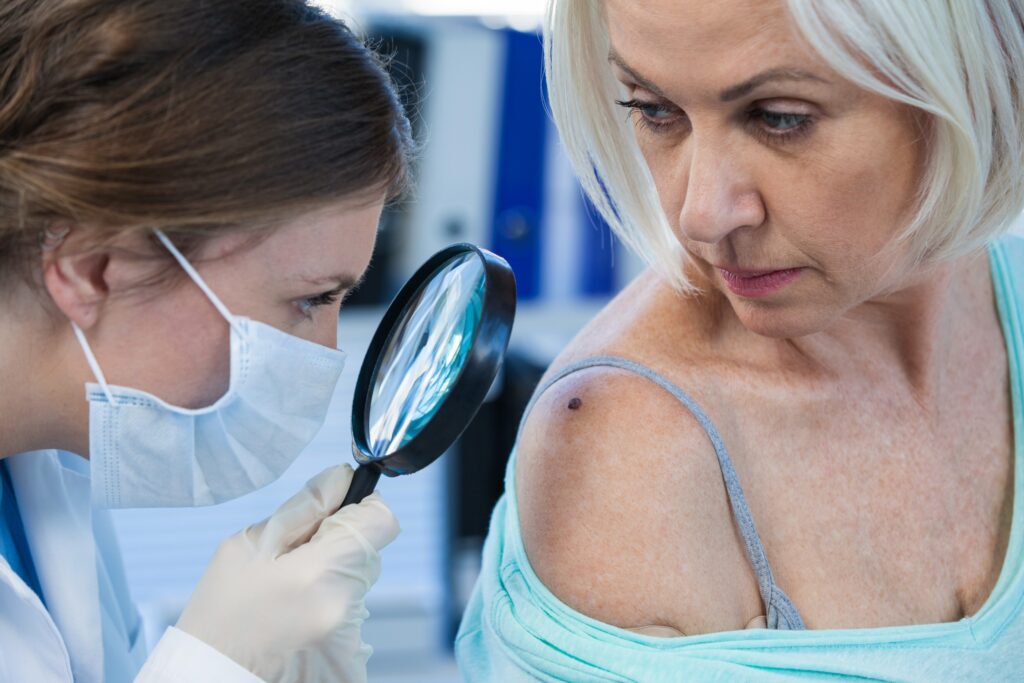
Skin cancer is a growing concern, with basal cell carcinoma, squamous cell carcinoma, and melanoma being the most common types. Among the most effective treatments for these skin cancers is Mohs surgery, also known as Mohs micrographic surgery. This precise dermatologic surgery, developed by Dr. Frederic Mohs, involves removing thin layers of skin containing cancer cells until only healthy tissue remains. With the highest cure rates and minimal damage to surrounding skin, Mohs surgery is a preferred option for treating skin cancer. This guide aims to provide an in-depth look at the Mohs procedure, its benefits, and what patients can expect. Stay with us as we go into the intricacies of Mohs surgery, from diagnosis to recovery.
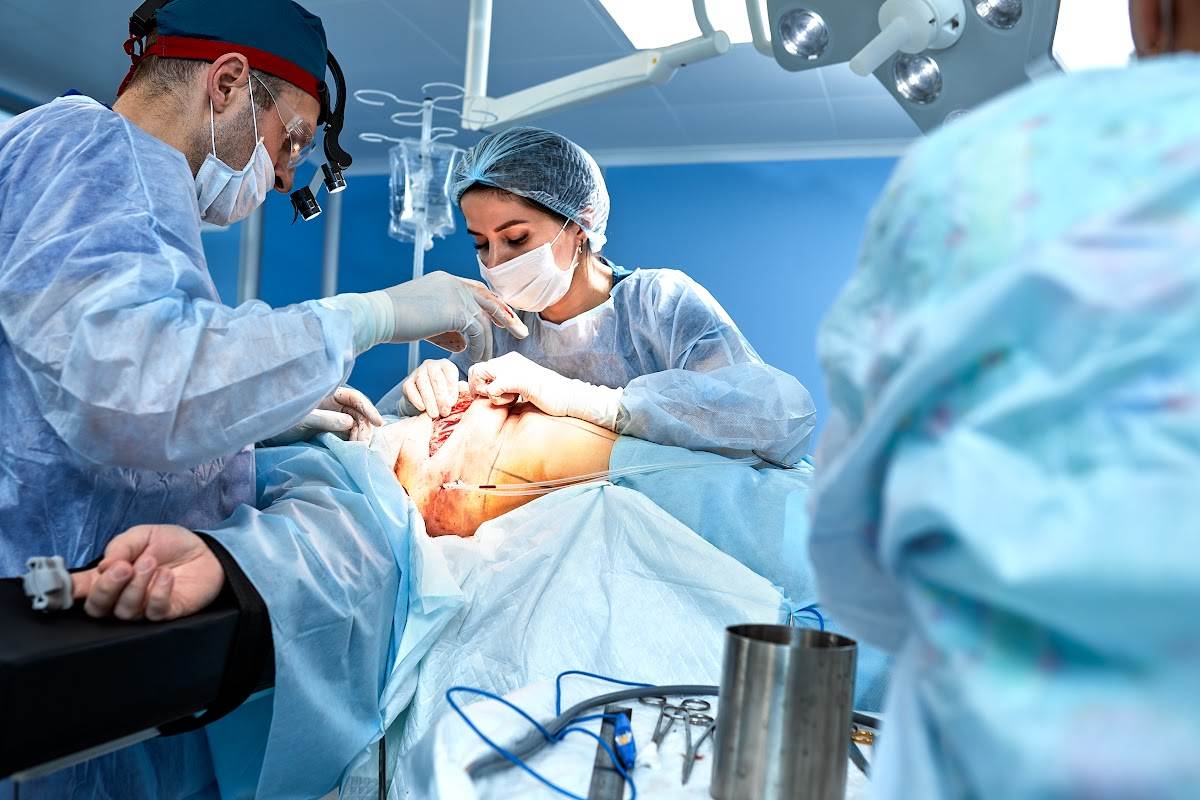
Mohs surgery is a meticulous and precise procedure used to treat various forms of skin cancer, including basal cell carcinoma, squamous cell carcinoma, and melanoma in situ. Here's a step-by-step breakdown of the process:
What is Mohs Surgery?
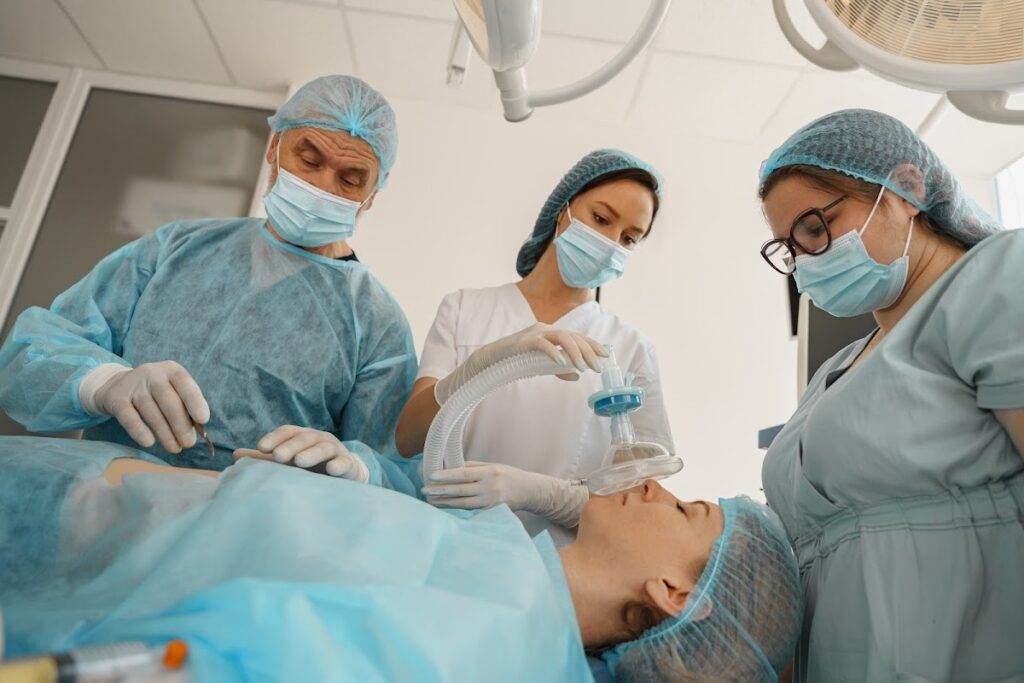
Mohs surgery, also known as Mohs micrographic surgery, is a precise and highly effective technique used to treat skin cancer. Developed by Dr. Frederic Mohs, this procedure involves the systematic removal and examination of thin layers of skin containing cancer cells until only healthy tissue remains. This approach ensures the complete removal of the cancer with minimal damage to the surrounding healthy skin.Explanation of the Procedure
- Local Anesthesia: The surgeon numbs the area where the cancer is located.
- Removal of Tissue: A thin layer of tissue containing the cancer cells is removed.
- Microscopic Examination: The tissue is examined under a microscope to identify cancer cells.
- Sequential Removal: If cancer cells are found, another thin layer is removed. This process is repeated until no cancer cells remain.
Common Types of Skin Cancer Treated
- Basal Cell Carcinoma: Often appears as a translucent bump on the skin, though it can take other forms.
- Squamous Cell Carcinoma: May appear as a red, scaly patch or a sore that heals and reopens.
- Melanoma: Though less common, it can be more serious and requires precise treatment.
The Mohs Surgery Procedure
Mohs surgery is a meticulous and precise procedure used to treat various forms of skin cancer, including basal cell carcinoma, squamous cell carcinoma, and melanoma in situ. Here's a step-by-step breakdown of the process: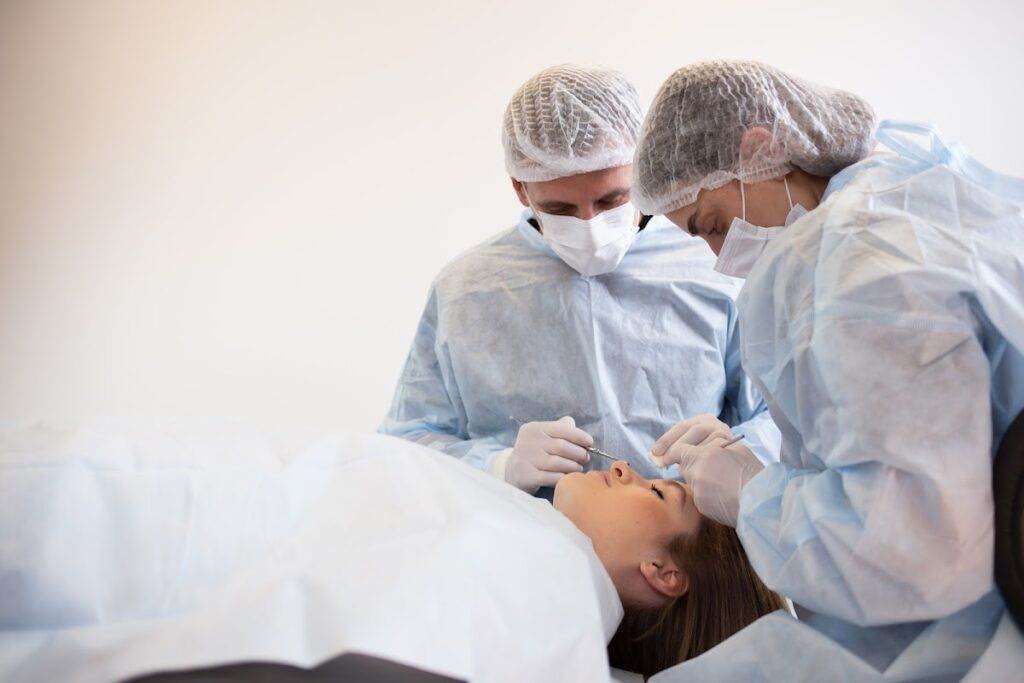 The Mohs Surgery Procedure
Pre-Operative Consultation
Medical History Review- Comprehensive Review: A Mohs surgeon or dermatologist like Dr. Longwill and her team will conduct a thorough review of your medical history, considering any previous skin conditions or treatments to tailor the surgery specifically to your needs.
- Detailed Examination: A careful examination of the affected area is performed to understand the extent and nature of the skin cancer. This helps in planning the surgery.
- Diagnosis and Treatment Options: The doctor explains the diagnosis, and discusses the types of skin cancer present, and the best treatment options. This includes outlining the Mohs procedure and its advantages.
- Overview of the Surgery: Patients are given a detailed explanation of what to expect during the Mohs surgery, including preparation, the surgery itself, and post-operative care.
Day of the Surgery
Local Anesthesia- Numbing the Area: The treatment area is numbed with a local anesthetic to ensure you remain comfortable throughout the procedure.
- Initial Excision: The Mohs surgeon removes a thin layer of tissue that contains the visible cancer.
- Detailed Mapping: The excised tissue is carefully mapped and color-coded.
- Microscopic Examination: This tissue is then examined under a microscope to detect any remaining cancer cells. This step is crucial for the precise removal of cancerous tissue while preserving healthy skin.
- Additional Layers: If cancer cells are found, the surgeon removes another thin layer of tissue from the mapped area. This process is repeated layer by layer until no cancer cells remain.
Duration
- Several Hours: The Mohs procedure typically lasts several hours. The exact duration depends on the number of layers that need to be removed and examined.
Key Phrases
- Mohs Surgery: A highly specialized procedure used to treat skin cancer.
- Basal Cell Carcinoma and Squamous Cell Carcinoma: Common types of skin cancer treated with Mohs surgery.
- Microscope: Essential for examining the removed layers of skin for cancer cells.
- Healthy Tissue: Preserved as much as possible during the procedure.
- Operating Room: Where the surgery takes place, typically in a dermatology clinic.
- Thin Layer of Tissue: Removed sequentially until no cancer cells remain.
- Cure Rate: The high success rate of completely removing the cancer.
- Skin Graft: Rarely needed due to the tissue-sparing nature of Mohs surgery.
Benefits of Mohs Surgery
Mohs surgery, also known as Mohs micrographic surgery, offers numerous benefits that make it a leading choice for treating various forms of skin cancer, including basal cell carcinoma, squamous cell carcinoma, and melanoma. Here’s why this precise procedure stands out:High Cure Rates
- Exceptional Success: Mohs surgery boasts Cure rates are up to 99 percent for primary lesions and an astonishing 94 percent for recurrences unsuccessfully treated by other methods.
- Effective for High-Risk Skin Cancer: It’s particularly effective for high-risk skin cancers, ensuring thorough treatment and reducing the risk of recurrence.
Tissue Conservation
- Preserve Healthy Tissue: The surgeon removes only the thin layers of skin that contain cancer cells, preserving as much healthy tissue as possible.
- Minimizes Scarring: By conserving healthy tissue, Mohs surgery minimizes scarring, which is crucial for skin cancer surgeries on visible areas like the face, ears, and hands.
Immediate Results
- On-Site Examination: Each layer of tissue removed during the Mohs procedure is examined under a microscope on-site.
- Instant Feedback: This immediate examination allows for real-time decisions about the need for further tissue removal, ensuring complete cancer removal in one visit.
Reduced Recurrence
- Comprehensive Removal: The meticulous process of removing and examining thin layers of tissue ensures that all cancer cells are identified and removed.
- Lower Recurrence Rates: This thorough approach significantly lowers the likelihood of cancer recurrence, providing long-term peace of mind for patients.
Additional Advantages
- Treatment for Sensitive Areas: Mohs surgery is ideal for treating skin cancer in cosmetically and functionally sensitive areas, preserving the appearance and function of the skin.
- Versatility: It’s effective against various types of skin cancer, including basal cell carcinoma, squamous cell carcinoma, and certain melanomas.
- High Precision: The surgeon removes the cancerous tissue with high precision, ensuring that healthy skin around the area is left intact.
Risks And Complications
While Mohs surgery is highly effective for treating skin cancer, it does carry some risks and potential complications. Understanding these risks can help you prepare and manage expectations.Bleeding
- Common Occurrence: Bleeding during and after Mohs surgery is common but usually well-controlled.
- Management: Your Mohs surgeon will use techniques such as applying pressure, cauterizing blood vessels, or using stitches to manage bleeding.
- Post-Operative Care: Following post-operative instructions is crucial to minimize bleeding. Keeping the surgical area clean and dry can help prevent complications.
Infection
- Low Risk: The risk of infection is relatively low with Mohs surgery.
- Preventive Measures: The use of sterile techniques in the operating room and proper wound care instructions help mitigate this risk.
- Post-Operative Care: Patients are advised to keep the wound clean and follow all care instructions provided by their dermatology team to reduce the chance of infection.
Scarring
- Minimized by Technique: Mohs surgery is known for its tissue-sparing technique, which helps minimize scarring.
- Factors Affecting Scarring: The size and location of the tumor, individual healing characteristics, and surgical technique all influence the extent of scarring.
- Scar Management: Your surgeon may provide scar management options, such as topical treatments or follow-up procedures, to improve the cosmetic outcome.
Nerve Damage
- Rare but Possible: Nerve damage is a rare complication but can occur, especially in areas with dense nerve networks.
- Extent of Damage: The severity can range from temporary numbness to permanent nerve damage, depending on the location and depth of the cancer.
- Prevention: Experienced Mohs surgeons use meticulous techniques to minimize the risk of nerve damage. Discuss any concerns with your surgeon before the procedure.
Additional Considerations
- Skin Graft: In cases where a large amount of tissue has been removed, a skin graft may be necessary to close the wound and promote healing.
- Skin Flap: Similar to a skin graft, a skin flap involves repositioning nearby tissue to cover the surgical site. This technique helps maintain a natural appearance and function.
- Healing Time: The healing process varies depending on the size and location of the excision, as well as individual healing characteristics.
Managing Risks
- Pre-Surgery Consultation: A thorough consultation with your Mohs surgeon will help identify any potential risks based on your medical history and the specifics of your skin cancer.
- Follow-Up Appointments: Regular follow-up appointments are essential to monitor the healing process and address any complications early.
- Patient Education: Understanding the procedure, potential risks, and post-operative care can significantly reduce complications and promote a smooth recovery.
Key Phrases to Remember
- Mohs Surgery: A precise and effective procedure used to treat skin cancer.
- Bleeding and Infection: Common but manageable risks associated with the surgery.
- Scarring and Nerve Damage: Typically minimal due to the tissue-sparing nature of Mohs surgery, though rare complications can occur.
- Post-Operative Care: Essential for minimizing risks and promoting healing.
Post-Operative Care
Proper post-operative care is crucial for a smooth recovery after Mohs surgery. Here’s what you need to know about taking care of yourself following the procedure.Immediate Aftercare
Wound Care- Keep the Area Clean and Dry: Clean the wound gently with mild soap and water. Pat dry with a clean towel.
- Apply Prescribed Ointments: Use any ointments prescribed by your Mohs surgeon to promote healing and prevent infection.
- Avoid Strenuous Activities: Refrain from activities that might strain the wound or cause bleeding.
- Follow Instructions: Your surgeon will provide specific instructions for managing pain, which may include over-the-counter pain relievers or prescribed medications.
- Elevate the Area: Elevating the treated area can help reduce swelling and discomfort.
Follow-Up Appointments
Monitoring- Regular Check-Ups: Schedule and attend follow-up appointments to ensure the wound is healing properly. Your Mohs surgeon will check for any signs of infection or complications.
- Address Concerns: Discuss any concerns you have about your healing process with your dermatologist.
- Options for Scar Reduction: Your surgeon may recommend treatments such as silicone gels, steroid injections, or laser therapy to minimize scarring.
- Proper Wound Care: Following wound care instructions meticulously helps reduce the risk of noticeable scars.
Long-Term Care
Regular Skin Checks- Ongoing Dermatological Visits: Regular check-ups with your dermatologist are essential to monitor for any new or recurrent skin cancers.
- Self-Examinations: Perform regular self-examinations to catch any early signs of skin cancer. Report any changes or new growths to your dermatologist immediately.
- Importance of Sun Protection: Protecting your skin from the sun is vital to prevent future skin cancers. Use a broad-spectrum sunscreen with an SPF of 30 or higher, even on cloudy days.
- Protective Clothing: Wear protective clothing, hats, and sunglasses when outdoors.
- Avoid Peak Sun Hours: Try to stay out of the sun between 10 a.m. and 4 p.m., when UV rays are the strongest.
Key Phrases to Remember
- Mohs Surgery: A precise and effective procedure to treat skin cancer.
- Wound Care and Pain Management: Essential steps in the immediate aftercare process.
- Follow-Up Appointments: Critical for monitoring healing and addressing any issues.
- Regular Skin Checks and Sun Protection: Vital for long-term skin health and preventing future skin cancers.
Benefits of Proper Post-Operative Care
- Promotes Healing: Following the aftercare instructions helps the wound heal faster and reduces the risk of complications.
- Minimizes Scarring: Proper care can significantly reduce scarring, particularly important for surgeries on visible areas.
- Prevents Infection: Keeping the wound clean and following care guidelines helps prevent infections.
- Early Detection: Regular skin checks ensure any new or recurrent cancers are caught early, improving treatment outcomes.
Additional Tips
- Stay Hydrated: Drinking plenty of water aids the healing process.
- Balanced Diet: Eating a balanced diet rich in vitamins and minerals supports overall health and recovery.
- Avoid Smoking: Smoking can impede the healing process, so avoid it during your recovery.


About Post Author