
10 Surprising Facts About Skin Rejuvenation Laser Treatments
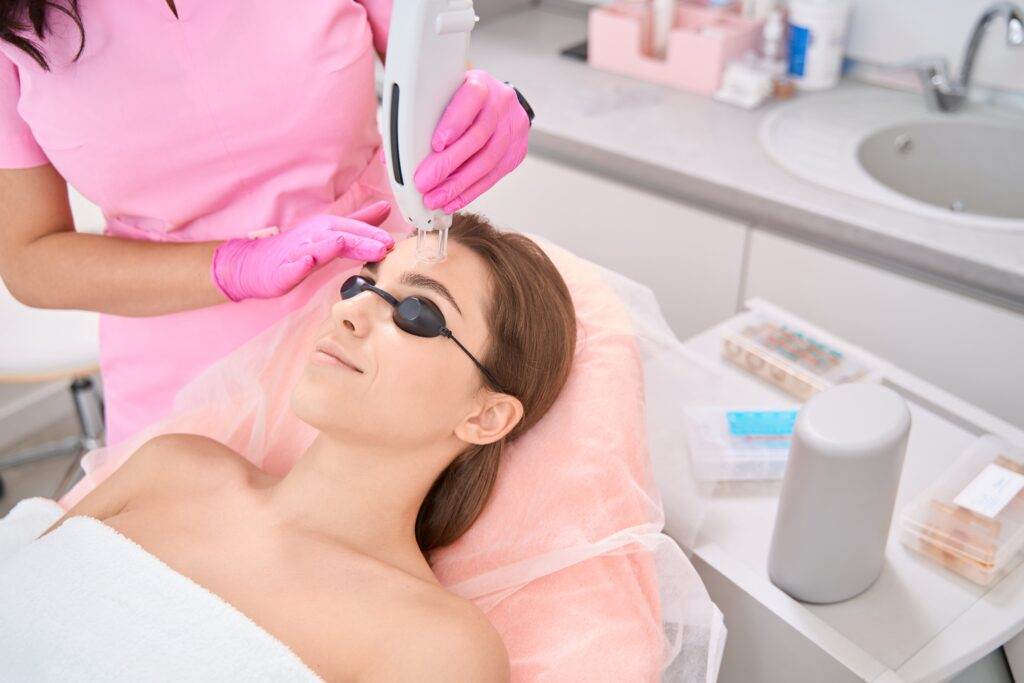 1. There's More Than One Type of Laser
When considering a laser skin resurfacing procedure, it's essential to understand that not all lasers offer the same effects. The type of laser chosen for your skin rejuvenation can significantly influence the outcome, specifically regarding how it treats wrinkles, fine lines, and overall skin tone.
Ablative lasers are potent tools in cosmetic surgery designed to address more significant skin concerns. They work by vaporizing the outer layer of skin, which promotes the body's natural healing process to generate new skin that is smoother and more youthful. One of the widely known ablative lasers is the erbium laser, which effectively minimizes deep wrinkles and lines, with a focus on precision and minimizing heat damage to surrounding tissues.
In contrast, non-ablative lasers take a gentler approach. They heat up the underlying skin layers without harming the layer of skin you see, which stimulates collagen production, leading to skin tightening and a reduction in the visibility of fine lines. A fractional laser is a type of non-ablative laser that treats only a fraction of the treatment area at a time, offering the benefits of non-ablative treatment with reduced downtime.
Deciding between ablative and non-ablative laser systems depends on various factors, including the degree of aging signs, your skin's characteristics, and how much recovery time you can afford. Each laser treatment comes with its own benefits and considerations, but both can greatly enhance your skin's appearance and improve skin health and vitality.
It's a choose-your-own-adventure in the world of cosmetic improvements, where the path you take is tailored to the story of your skin's needs.
2. Laser Resurfacing Can Be Customized
Laser resurfacing treatments are not a one-size-fits-all solution. Laser resurfacing treatments exemplify personalized skincare at its finest. Far from being a generic approach to skin rejuvenation, these procedures are highly customizable, enabling dermatologists and skin care professionals to address a diverse range of skin concerns—from reducing the appearance of wrinkles and scars to correcting hyperpigmentation. This ability to tailor treatments extends beyond merely choosing a type of laser. Practitioners can also adjust the strength and depth of the laser and combine treatments in a multi-modal approach, ensuring each patient receives a laser resurfacing experience uniquely aligned with their aesthetic goals and lifestyle. Ultimately, the specificity with which laser treatment can be customized underlines its appeal as a versatile and effective solution for those looking to enhance their skin's health and appearance. They can be tailored to meet the individual's specific skin needs, whether it’s minimizing wrinkles, scars, or hyperpigmentation. Different lasers and settings allow practitioners to customize the treatment for optimal results.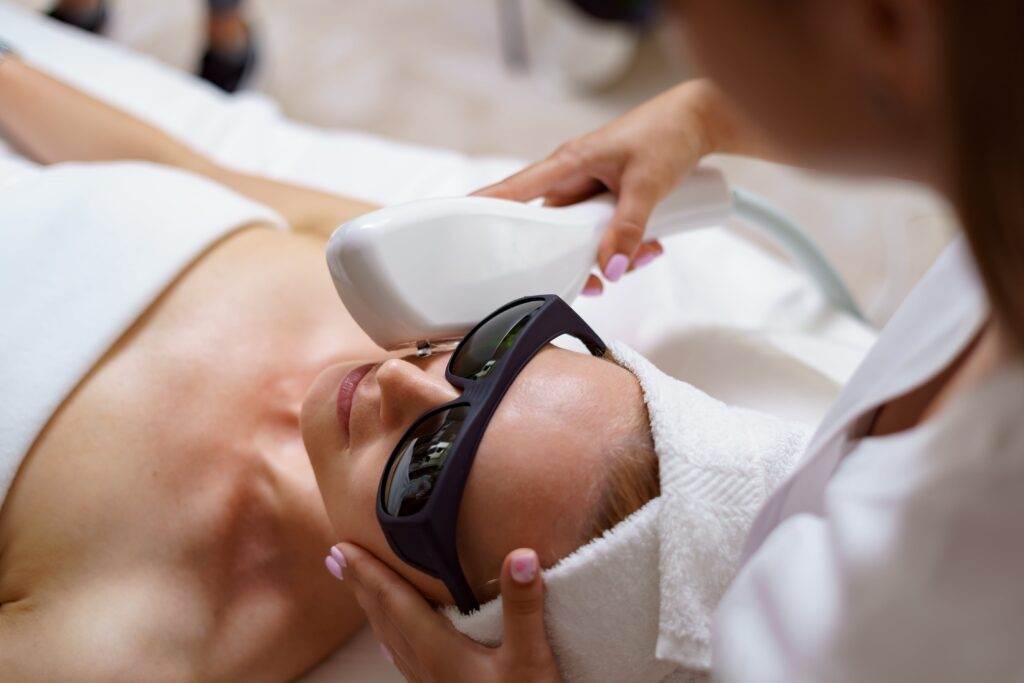 3. The Cost Of Laser Treatments May Surprise You
Discussions about the expenditure for laser skin resurfacing often highlight its perceived expense. Indeed, the initial price tag of laser treatments can be substantial. However, the investment in such cosmetic procedures may prove economically savvy when considering the long-term.
The effectiveness of laser resurfacing is notable. One session can achieve results that might otherwise require multiple treatments of less advanced methods. Moreover, the advancements in precision allow for targeted therapy, reducing the necessity for all-over treatments.
There's a reduced demand for supplementary cosmetic products or services. For example, results such as improved skin texture, diminished scars, and reduced wrinkles can decrease the need for fillers or regular facials, which, over time, may equal or even surpass the cost of the initial laser procedure.
4. Laser Resurfacing Is More Than Cosmetic Surgery
While often placed within the realm of cosmetic surgery, laser resurfacing extends its benefits beyond aesthetic enhancements to therapeutic applications. This is particularly evident in the treatment of medical skin conditions like actinic keratosis, which is a pre-cancerous growth attributable to prolonged sun exposure. Laser treatments are not exclusively about achieving a youthful glow or ironing out wrinkles; they serve an important role in the realm of dermatological health. By precisely targeting and removing abnormal tissue, lasers help reduce the risk of such growths evolving into skin cancer. This dual functionality—improving skin appearance and potentially preventing more serious health issues—underscores the multifaceted value of laser resurfacing procedures. This broad reach of lasers illustrates that the technology is not a mere luxury but can be a crucial preventive measure, blurring the lines traditionally drawn between elective cosmetic procedures and necessary medical interventions.What We Believe
With a holistic clinical approach, which involves first listening to patients' concerns, we thoroughly diagnose and explain their individual treatment options.
5. Laser Treatment Duration And Recovery Can Vary
The time it takes to perform a laser treatment and recovery varies widely. The spectrum ranges from quick, low-impact procedures to more intensive ones, largely dependent on the type of laser and the scope of the treatment area.
Laser skin resurfacing procedures, for example, can be completed in as little as under an hour for certain non-ablative treatments. These "lunchtime facials" are designed to minimize disruption, allowing people to essentially return to their daily activities almost immediately, with minimal aftereffects.
Conversely, treatments utilizing ablative lasers known for their effectiveness in addressing deeper skin issues necessitate a more significant recovery time. The process of ablating or removing the outer layers of skin to promote the regeneration of new, healthier skin can lead to several days or even weeks of healing.
 6. Laser Treatments Might Replace Conventional Treatments
In some cases, skin rejuvenation laser treatments are poised to replace more traditional procedures. Due to their precision and the reduced chance of complications, lasers offer a modern alternative to chemical peels and manual dermabrasion.
The laser's ability to accurately target specific layers of the skin—without the broader, more indiscriminate impact of chemical or manual methods—means treatments can be finely tuned to the individual's needs and skin conditions. This specificity not only enhances the efficacy of the treatment but also minimizes downtime and potential side effects, making it a safer option.
Moreover, the versatility of laser treatments positions them as a multifaceted tool, capable of addressing a range of skin concerns, from fine lines and wrinkles to hyperpigmentation and textural irregularities, all within the same procedure framework.
Request an Appointment With us Online!
We love serving the Kendall community; we can’t wait to see you and help you on your journey to clear skin!

7. Non-Ablative Laser Treatments Offer A ‘Lunchtime’ Solution
Non-ablative laser treatments are the latest trend in cosmetic surgery, celebrated for their convenience and the minimal downtime they require. These procedures, often dubbed as 'lunchtime procedures,' have become the go-to for individuals looking to enhance their skin tone, smooth out fine lines, or achieve overall laser skin resurfacing without the significant recovery period associated with ablative laser treatments like the erbium laser. Unlike their ablative counterparts, which work by removing the outer layer of skin to reveal new skin beneath, non-ablative lasers target the underlying layer of skin without damaging the surface. This approach stimulates collagen production and skin rejuvenation with minimal disruption to the patient's outer skin, allowing for an almost immediate return to daily activities post-session.8. Pre-treatment Care Is As Important As Post-Treatment
For many, the surprise lies in the importance of pre-treatment skincare. Your skincare regimen before undergoing a laser resurfacing treatment can significantly affect the outcomes and recovery time. Preparing your skin for laser treatment is not merely a recommendation but a foundational step to ensure that the skin is in the best possible condition to respond to and recover from the procedure. Proper pre-treatment care can help minimize potential side effects and maximize the efficacy of the treatment for concerns such as wrinkles, fine lines, and irregular skin tone. This preparation might include guidelines on moisturizing, sun protection, and the temporary cessation of certain products that could interfere with the laser's effectiveness or the skin's healing process. Such meticulous attention to the outer layer of the skin ensures it's ready to heal properly and regenerate new skin, thereby enhancing the results of the laser resurfacing treatment.9. The Longevity Of Results Differs
While many are aware that laser treatments produce noticeable results, the longevity of these effects might surprise you. The longevity of results from laser treatments, especially those involving an ablative laser, is often surprising to many. Unlike some cosmetic interventions that require frequent touch-ups or maintenance, the effects of a well-performed ablative laser procedure can be both profound and enduring. Key to this longevity is the depth of the treatment afforded by ablative lasers. By removing the outer layer of skin and stimulating the regeneration of new skin, these treatments can dramatically improve the skin's overall texture, tone, and appearance, targeting everything from fine lines to deeper wrinkles and significant skin irregularities. The durability of these results significantly hinges on the aftercare regimen. Protecting the skin from sun exposure with high-SPF sunscreens, following a tailored skincare routine to maintain the skin's health, and keeping hydrated all play pivotal roles in extending the benefits of laser resurfacing. Skin rejuvenation laser treatments are reshaping the landscape of cosmetic enhancements, offering precise, personalized, and often surprisingly long-lasting results. Whether you're considering a minor touch-up or a more extensive procedure, understanding these facts can help you make an informed decision. And, as always, consult with a professional to discuss the best approach for your unique skin needs.


About Post Author