

0
Botox for jaw clenching, Botox for teeth grinding, Botox injections jaw, Botox jaw reduction, bruxism treatment Botox, Center for Skin and Cosmetic Dermatology, facial contouring Botox, jaw slimming treatment, masseter Botox, non-surgical jaw reduction, skin care, square jaw treatment, stress and lifestyle, targeted cooling, temporomandibular joint disorder, TMJ treatment Botox, toned results
What to Expect After a Botox Jaw Reduction
Jaw clenching is one of the most common concerns patients bring to dermatologists. However, it is often ignored until symptoms become more noticeable. Teeth grinding and jaw clenching can cause daily pain, headaches, and even changes in the jaw over time.
Botox jaw reduction can help treat the physical and aesthetic symptoms of jaw clenching. By reducing masseter muscle hyperactivity, this process helps eliminate jaw discomfort, decrease teeth grinding, and, over time, reduce the appearance of a square or wide jaw.
The Miami Center for Dermatology approaches Botox treatment for jaw reduction with precision, focusing on how the jaw muscle functions, how it affects comfort, and the overall impact those changes have on the patient’s appearance.
This guide explains what to expect after the treatment, how improvement occurs, the changes you'll see, potential side effects, and how long it will last.
Botox, or botulinum toxin, blocks nerve impulses that cause muscle contraction. Botox jaw reduction is used to treat the masseter muscle, which is the large muscle of the jaw used for chewing and clenching. This overactivity can lead to a wider, more square jawline and may cause some discomfort, such as jaw pain, tension headaches, or teeth grinding.
In Botox treatment, botulinum toxin is injected into the masseter in small doses on each side of the face. Over time, the muscle gradually shrinks. This results in a leaner lower face and, in most cases, relieves overuse symptoms.
The most common known use of Botox is to reduce wrinkles. It is also widely used to treat muscle-related conditions. In jaw reduction, the goal is not to fully paralyze the muscle, but to reduce its activity. When injected into the masseter muscle, the neurotoxin reduces its ability to contract, lowering the intensity of movement rather than stopping it completely.
This leads to two main effects:
Botox jaw reduction typically lasts three to six months, although results vary by individual. During that time, the effects of the botulinum toxin gradually wear off, nerve signals gradually return to the masseter muscle, and the muscle slowly regains its ability to contract. The jaw will revert to its appearance and function in the long run without maintenance sessions.
For individuals who use masseter Botox to treat bruxism or TMJ pain, the symptoms may not be as severe following the initial cycles of treatment. To maintain these benefits, follow-up sessions are typically recommended every four to six months, depending on the duration of results that each individual may experience.
For cosmetic results, consistent treatment can lead to longer-lasting effects. Repeated sessions may also result in the masseter muscle shrinking further and sustaining this shrinkage longer during treatment intervals, as an underused muscle will tend to remain smaller.
 Botox Jaw Reduction and How It Works
Botox, or botulinum toxin, blocks nerve impulses that cause muscle contraction. Botox jaw reduction is used to treat the masseter muscle, which is the large muscle of the jaw used for chewing and clenching. This overactivity can lead to a wider, more square jawline and may cause some discomfort, such as jaw pain, tension headaches, or teeth grinding.
In Botox treatment, botulinum toxin is injected into the masseter in small doses on each side of the face. Over time, the muscle gradually shrinks. This results in a leaner lower face and, in most cases, relieves overuse symptoms.
The most common known use of Botox is to reduce wrinkles. It is also widely used to treat muscle-related conditions. In jaw reduction, the goal is not to fully paralyze the muscle, but to reduce its activity. When injected into the masseter muscle, the neurotoxin reduces its ability to contract, lowering the intensity of movement rather than stopping it completely.
This leads to two main effects:
- Reduced clenching and grinding.
- A slimmer jawline as the muscle reduces in size.
Who Needs Botox Jaw Reduction
Botox jaw reduction is not a one-size-fits-all procedure. It is best applied to patients who have certain functional or cosmetic issues related to the masseter muscle. The masseter is one of the primary muscles that help in chewing. When the muscle becomes overactive, it can cause physical discomfort and visible changes in the face. Patients who may benefit from this treatment include:- People who clench or grind their teeth, especially at night.
- Individuals with TMJ disorder or temporomandibular joint dysfunction.
- Patients with chronic jaw pain or tension headaches.
- People whose jawline is square or bulky due to hypertrophy of the muscles.
- Individuals with facial distortion due to unequal muscle activity.
Immediately After Botox Jaw Treatment
Shortly after Botox jaw treatment, you can experience temporary, mild effects in the injection sites. Common reactions include:- Slight swelling.
- Mild tenderness.
- Light redness.
- Occasional minor bruising.
- Avoid rubbing or massaging the treated area.
- Do not lie flat for several hours.
- Avoid strenuous physical activity throughout the day.
- Avoid alcohol temporarily to minimize the risk of bruising.
The First Week After Botox Jaw Treatment
The first few days following Botox injections, your jaw might feel a bit different. This is a normal part of how the treatment begins to take effect. You may notice:- Tightness or heaviness of the jaw.
- Minor difficulty when chewing.
- Heightened sensitivity to clenching.
- Some fatigue while eating harder food.
When Results Start to Show After Botox Jaw Treatment
Many individuals start noticing the results in one to two weeks. The changes at this stage are more functional than aesthetic. You may notice:- Reduced jaw clenching.
- Reduced tension of the jaw muscle.
- Improvement in facial pain.
- Reduction of TMJ disorder symptoms.
How Long Do Botox Results Last?
Jaw reduction with Botox is not permanent. Results for most patients typically last three to six months. With time, the muscle returns gradually to its activity. Nevertheless, muscles can generally get smaller with regular treatments. Over time, repeated treatments can lead to longer-lasting results. Maintenance generally involves arranging for follow-up injections, two or three times a year, again, depending on your aim and your body's reactions.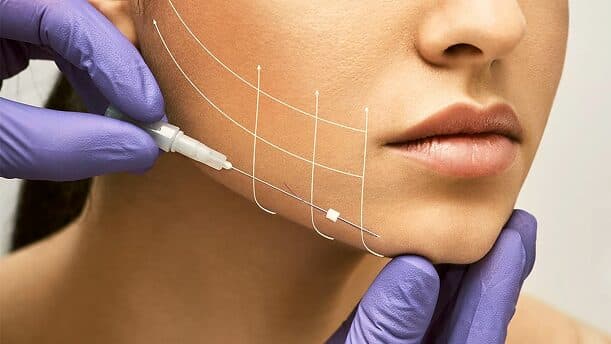 What Happens Over Time After The Procedure
Botox jaw reduction typically lasts three to six months, although results vary by individual. During that time, the effects of the botulinum toxin gradually wear off, nerve signals gradually return to the masseter muscle, and the muscle slowly regains its ability to contract. The jaw will revert to its appearance and function in the long run without maintenance sessions.
For individuals who use masseter Botox to treat bruxism or TMJ pain, the symptoms may not be as severe following the initial cycles of treatment. To maintain these benefits, follow-up sessions are typically recommended every four to six months, depending on the duration of results that each individual may experience.
For cosmetic results, consistent treatment can lead to longer-lasting effects. Repeated sessions may also result in the masseter muscle shrinking further and sustaining this shrinkage longer during treatment intervals, as an underused muscle will tend to remain smaller.
What Botox® Patients Often Get Wrong
A common misconception is that facial changes will appear immediately. But the outcomes are delayed. The muscle needs to first relax and then shrink. Patients expecting immediate cosmetic changes may feel unsure in the early stages, even though the treatment is working. There is also a perception that the higher the dosage, the better. In the jaw, balance is paramount. Too much Botox can interfere with normal jaw function. A more conservative approach that prioritizes function and comfort is usually preferred. Most providers suggest that you have a follow-up appointment two to four weeks following your first treatment. The purpose of this visit is to determine the symmetry and the extent of muscle reaction and make the necessary minor adjustments. Not all patients need a touch-up, but it is a normal procedure for most patients, especially after the first session with your provider, as the goal is to determine the right dose for your body. During this appointment, your provider can also initiate a more extended treatment plan depending on your response. Some individuals metabolize Botox more quickly than others and require a treatment every three months.How Miami Center for Dermatology Helps Patients
At the Miami Center for Dermatology, Botox jaw reduction is not just a cosmetic fix. We believe it is a combination of medical and cosmetic therapy. It begins with a preliminary consultation. This includes evaluating:- The size and activity of the jaw muscles.
- Tooth clenching or pain in the jaws.
- An analysis of facial proportions and cosmetic goals.
- Botox treatments for wrinkles in other areas of the face.
- Skin treatments to improve overall facial balance.
- How to treat TMJ symptoms with your dentist.
Botox for jaw clenching, Botox for teeth grinding, Botox injections jaw, Botox jaw reduction, bruxism treatment Botox, Center for Skin and Cosmetic Dermatology, facial contouring Botox, jaw slimming treatment, masseter Botox, non-surgical jaw reduction, skin care, square jaw treatment, stress and lifestyle, targeted cooling, temporomandibular joint disorder, TMJ treatment Botox, toned results


About Post Author