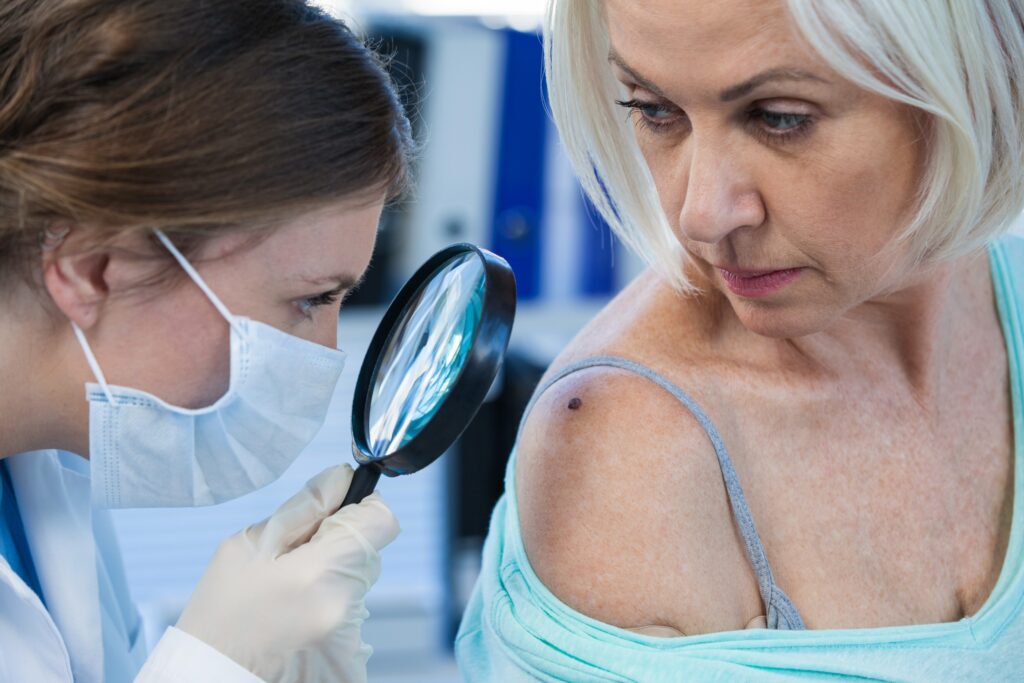


Dry Patches Are Scary; Here are 5 Ways To Soothe Your Skin
Vampires and werewolves aren’t the only things scaring people this year. Dry skin patches can be embarrassing, painful, and a lifelong struggle.We have five tips for dry skin patches that will bring you soothing relief. However, there are some things you should avoid so as not to make your dry skin patches worse. Harsh chemicals (like alcohol) in soaps and skincare products, dehydration, using hot water, poor nutrition, and excessive handwashing can all worsen your dry skin condition.The first step you need to take when treating your patches is getting a proper diagnosis from an experienced dermatologist.Our team at the Miami Center for Dermatology would love to help you figure out the root of your skin issues so you can have the proper treatment.
Why You Have Dry Skin Patches
Contrary to popular belief, just because you have patches of dry skin doesn’t mean all of your skin is dry.Dry skin patches are an entire issue on their own when compared to dry skin, and patches are not as easy to fix as they might seem.Often times, these patches are more of a medical issue than solely a cosmetic one, and several medical conditions can cause them. Psoriasis, eczema, dermatitis, and allergies are common medical conditions that cause dry skin patches, so it can be hard to find a treatment that works with your condition.Dry skin patches can especially be a problem during the winter, as colder weather can exacerbate dryness and strip the moisture from your skin. Moisturizer is necessary in this case, but sometimes it’s simply not enough to soothe your skin if you experience a chronic condition.
Dry skin patches can be scary and hard to treat if they relate to a chronic condition.
5 Tips for Dry Skin
There are several ways you can go about treating your dry skin patches. And every treatment can ultimately be separated into two main categories: home remedies and medications.Both can be helpful for your symptoms, and one is not necessarily better than the other. Often, people suffering from dry skin patches use both medications and home remedies recommended by their doctors.While the following tips are great general rules for treating dry skin, you should consult with your doctor before trying out any of these tips for dry skin patches.Exfoliating
Dry, dead skin cells are usually best removed through exfoliating. When it comes to which exfoliating product to choose, however, it can be difficult to choose the best one.These skincare products fall into two main categories: physical exfoliants and chemical exfoliants. Depending on how your skin reacts to each, you and your doctor can decide on which one best addresses your condition.Physical exfoliants include products like scrubs with visible granules and/or microbeads, while chemical exfoliants include products with salicylic or glycolic acid.Your dermatologist might also recommend specific exfoliating tools, such as a pumice stone or a loofah, but these should generally not be used on the face unless directed by a professional. Make sure to check out our exfoliating skincare products for some dermatologist-tested recommendations.The Right Moisturizer
Choosing a moisturizer that will hydrate and nourish your skin is also of the utmost importance when it comes to our tips for dry skin patches. Moisturizing is especially important if you decide to exfoliate, as you need to put moisture back into the skin after removing the dead cells.Take time with your doctor to find the right moisturizer that fits your condition, and religiously apply it to your skin. Many moisturizers contain either humectants, ceramides, emollients, occlusives, or a combination of these ingredients.Remember to check out our moisturizers for a great selection.
Finding the right moisturizer is one of our key tips for dry skin.
Topical Medications
If your case involves a medical condition in need of prescription medication, your doctor might prescribe topical medicines, like creams.They may contain alpha hydroxy acids and moisturizers to exfoliate and hydrate your skin at the same time.They might also contain retinoids, a chemical compound related to vitamin A and an exceptional ingredient in stimulating cell growth.Topical Steroids
You’ve probably heard of using hydrocortisone on things like mosquito bites, but did you know it can also treat things like contact dermatitis and eczema?Your doctor might recommend a topical steroid depending on your condition, and it can work great for healing and soothing your dry skin patches.Changes to Your Habits
While these smaller tips for dry skin don’t involve certain products, they can still be helpful when combatting your skin condition.Try using warm water instead of hot water when showering or bathing so as not to irritate and dry out your skin.You should also gently pat your skin dry with your towel instead of rubbing it, as it can also irritate your skin.Our team at the Miami Center for Dermatology wants to help you, no matter what your skin condition. Check out our website and request an appointment today!


About Post Author