
0
The Ultimate Guide To Botox: What To Expect And How To Prepare
By a landslide, Botox is one of the most popular treatments in cosmetic medicine today. Popularly known for reducing fine lines and wrinkles, Botox has been widely used to treat chronic migraines and overactive bladders, among other medical conditions. At Miami Center for Dermatology, we believe that knowing that this is a versatile procedure is vital, and understanding the nuances of Botox can improve results. This detailed guide will walk you through Botox injections and explain precisely what to anticipate before, during, and after your treatment. We will cover the necessary preparation tips, discuss common side effects that can result in complications, and delve into the gamut of benefits so that, by the end of this, you will be better prepared to decide whether or not to get Botox.
Botox, also known by its scientific name botulinum toxin, is a protein derived from the bacterium Clostridium botulinum. It is known for temporarily paralyzing muscles, so it's widely used for medical and cosmetic purposes.In cosmetic applications, Botox is primarily used to reduce the appearance of facial wrinkles. It is injected into specific facial muscles, temporarily relaxing them and smoothing the skin to diminish the look of lines and wrinkles, commonly in areas like the forehead, around the eyes (crow's feet), and between the eyebrows.Botox is also employed in the treatment of various medical conditions, including:
The effects of Botox generally last between 3-6 months. After this period, muscle activity will gradually return, and wrinkles may appear. You may want to schedule follow-up injections as part of your ongoing skincare routine to maintain your results and continue enjoying a refreshed appearance.One of the least recognized benefits of regular Botox courses is its cumulative effect. Further use of Botox can prevent deeper lines and wrinkles from forming over time; it is, in effect, a pre-emptive strike. This could be an excellent way to ensure much healthier, smoother skin over an extended period, as it stops the habitual muscle motions that create aging.After having your first Botox treatment, you should follow up on your results with your provider. In this follow-up discussion, you can review your treatment's effectiveness, answer any questions, and determine whether further changes to your treatments are necessary. Your provider can help tailor your treatment plan to optimize your outcomes and maximize your overall satisfaction with Botox.Knowing everything from pre- to post-Botox will improve your experience and outcome. At Miami Center for Dermatology, we pride ourselves on personal care and meeting our patients' needs. If you are considering Botox, either cosmetically or for the treatment of chronic migraine and overactive bladder, be sure to schedule an appointment with Dr. Deborah Longwill. With this, we will be pleased to help you achieve your aesthetic goals while keeping you safe and satisfied. Remember, informed patients are empowered patients, and we're here to support you each step of the way.
 What Is Botox?
Botox, also known by its scientific name botulinum toxin, is a protein derived from the bacterium Clostridium botulinum. It is known for temporarily paralyzing muscles, so it's widely used for medical and cosmetic purposes.In cosmetic applications, Botox is primarily used to reduce the appearance of facial wrinkles. It is injected into specific facial muscles, temporarily relaxing them and smoothing the skin to diminish the look of lines and wrinkles, commonly in areas like the forehead, around the eyes (crow's feet), and between the eyebrows.Botox is also employed in the treatment of various medical conditions, including: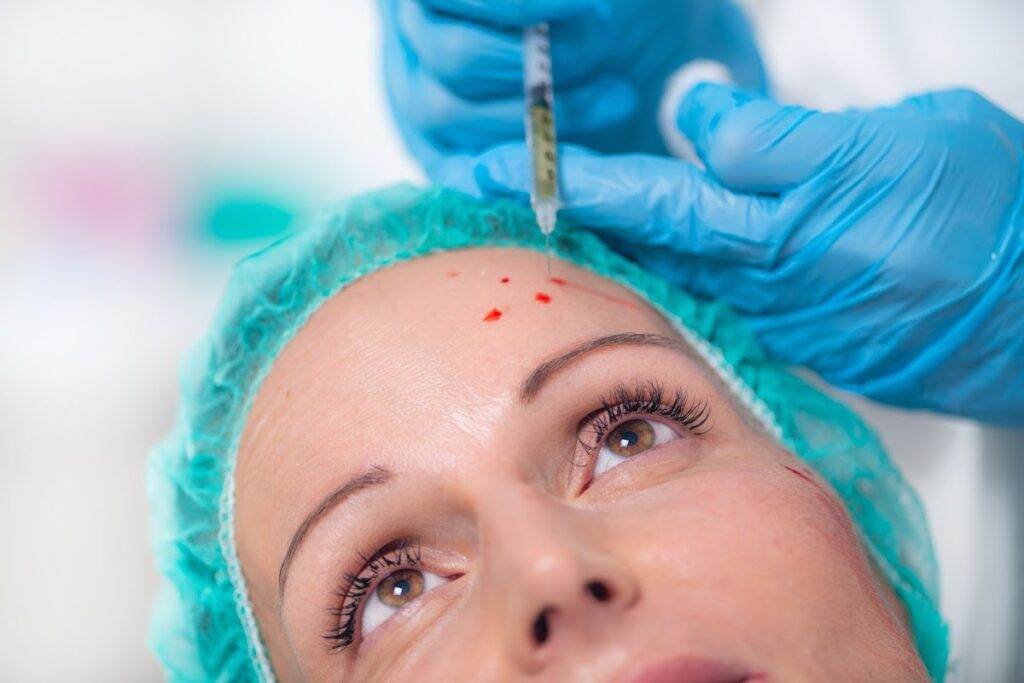 What Is Botox?
- Chronic migraine
- Excessive sweating (hyperhidrosis)
- Muscle disorders such as spasms and dystonias
- Bladder disorders such as urinary incontinence
- Eye disorders like strabismus (crossed eyes) and blepharospasm (uncontrollable blinking)
How It Works
Botox works by blocking the release of acetylcholine, a neurotransmitter responsible for triggering muscle contractions. By inhibiting this neurotransmitter, Botox temporarily reduces muscle activity.While Botox is generally considered safe for both cosmetic and medical purposes, it should always be administered by a qualified healthcare professional to ensure it is done safely and effectively.The Advantages Of Botox Treatment
The Cosmetic Benefits
- Non-Surgical Procedure: Botox is a non-surgical treatment for individuals who wish to eliminate thin lines and furrows. Unlike surgical procedures, Botox injections require no recovery time.
- Fast and Easy: Botox injections take an average of 10-30 minutes, which fits even the busiest schedules.
- Minimum Downtime: Most patients can immediately resume their daily activities after Botox treatment, which makes it an attractive option for busy lifestyles.
- Natural-Looking Results: If performed by a highly qualified practitioner, Botox can offer subtle and natural results, enhancing one's features without looking too operated on.
Medical Benefits
Botox has been used effectively to treat several medical conditions, including:- Chronic Migraine: Various studies mention that Botox reduces headache frequency in adults with chronic migraine, particularly patients with 15 or more headache days in a month.
- Overactive Bladder: Botulinum toxin injections can manage urinary incontinence by relaxing bladder muscles.
- Spasticity Management: Botox treats conditions such as upper limb spasticity, helping the patient with stiffened muscles.
Preparing for Your Botox Treatment
1. Consultation
Your Botox journey begins with a consultation. That's the most crucial visit, during which you would discuss your medical history, including previous treatments and conditions that may affect your candidacy for Botox injections. This is also an opportunity to discuss your aesthetic goals if you have any questions or concerns about the treatment.Knowing what to expect and the effects of the botulinum toxin can go a long way toward offering comfort. This will also be a great time to discuss the cost of Botox, the average dosages used, and financing options so you are well-prepared financially.2. Pre-Treatment Guidelines
- Medication Management: Avoid blood thinners, like aspirin and ibuprofen, at least one week before your Botox injection to minimize bruising at the injection site.
- Lifestyle Changes: A day before the procedure, it is better if you avoid alcohol intake and smoking because these reduce the healing capability of your skin. Good hydration means good skin, thus better results with your Botox treatment.
- Understand what to expect with Botox: slight swelling or redness is possible, even a probable side effect. Understanding helps to set up your expectations and creates success during this treatment.
Finding The Right Dermatologist For Your Procedure
The right provider for Botox treatment is a matter of importance and necessity to guarantee safety and, importantly, satisfaction with the results. Choosing Miami Center for Dermatology to perform your Botox treatment means entrusting this treatment to a well-practiced and trusted medical professional, Dr. Deborah Longwill, who is board-certified in dermatology. Being extensively trained with her team in cosmetic and medical dermatology, she can adequately care for her patients and provide an individual approach in each treatment course. Here are the key points you should consider while making this selection:1. Qualifications and Training
Your injector should be a licensed medical professional with specialized training in cosmetic dermatology. The qualified provider will be well-versed in the anatomy of the face and appropriate techniques for Botox injection. This will reduce your chances of complications related to the treatment.2. Experience
Look for a provider who has administered a large volume of Botox treatments. More seasoned injectors are much better at analyzing your particular needs, appropriately adjusting dosages, and providing the best possible outcome to meet your aesthetic expectations.3. Reviews and Recommendations
Patient reviews and testimonials will provide valuable insight into a provider's reputation and quality of delivered results. Search for reviews of past patients or ask for input about their experience with their procedures.4. Before-and-After Photos
Ask to review a portfolio of before-and-after photographs of previous patients. This visual evidence will help you assess the provider's skill and the effectiveness of their Botox treatments and assure you of your choice. At Miami Center for Dermatology, we're proud of our track record and commitment to patient satisfaction.The Botox Injection Procedure
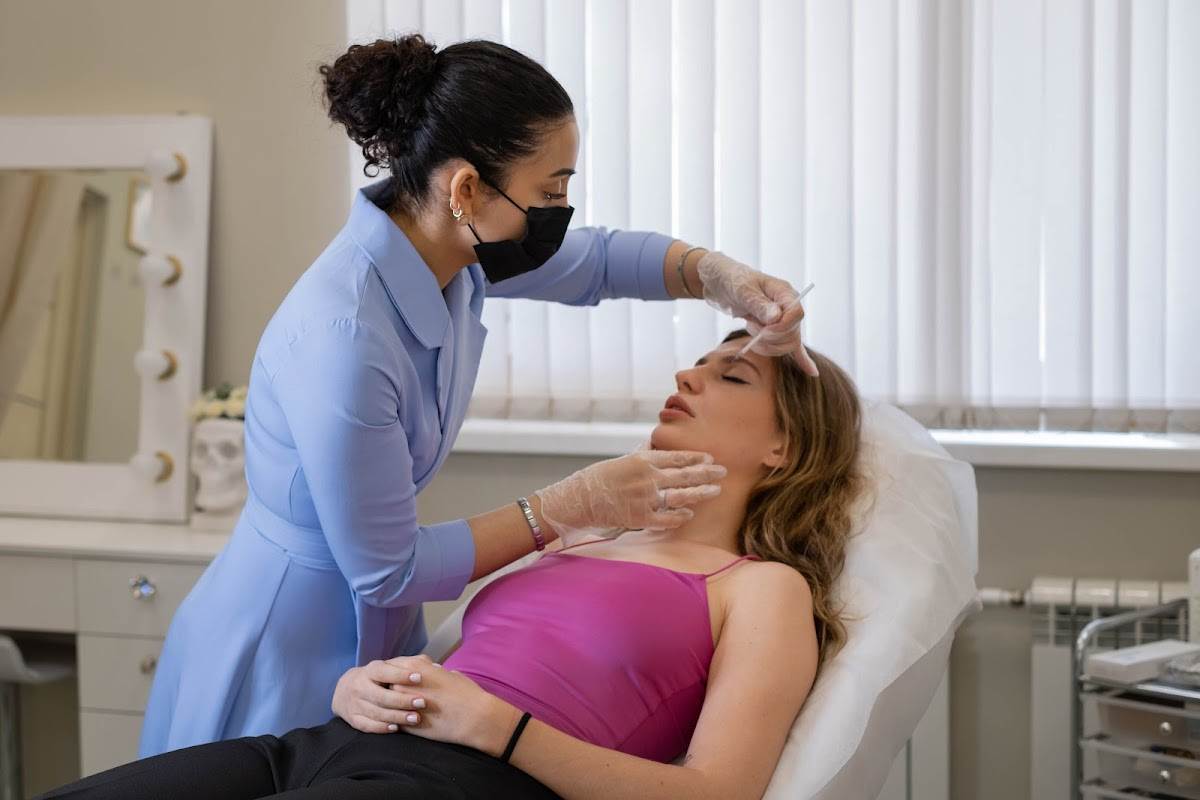
The Botox injection procedure is relatively quick, about 10-30 minutes. Our skilled providers at Miami Center for Dermatology ensure the process remains comfortable. Botox is injected into targeted areas using a fine needle during the procedure. Most describe this as a quick pinch that causes only minimal discomfort. Following the injection of the botulinum toxin, its effects may appear within a few days, though optimal results usually take two weeks. This promptness in action makes Botox a hot favorite among individuals wishing to look better quickly.Aftercare Tips
Following Botox treatment, aftercare becomes a crucial factor in determining the most desirable results.- Avoid Touching the Injection Site: First, avoid touching the site; do not rub or massage the treated area for at least 24 hours to prevent the toxin from migrating to areas away from the injection site.
- Stay Upright: Do not lie down for a few hours after the procedure to minimize complications.
- No Strenuous Activity: For 24 hours, avoid strenuous activities and heavy workouts to reduce swelling and bruising.
- Monitor for Side Effects: While the most common side effects are usually confined to mild bruising and swelling around the injection site, one must be aware of other less common responses. Contact your provider immediately if you have a severe headache, problem with your vision, or difficulty breathing.
Potential Side Effects
While Botox is generally safe and effective, it is essential to acknowledge the fact that it can be harmful to some patients. You must be aware of these side effects to make well-informed decisions about your treatment. Less serious injection site side effects include swelling, redness, and tenderness. All these reactions are commonly temporary and will, therefore, resolve within a few days or hours. Cold compression may help reduce pain and minimize these side effects.Although rare, Botox may cause serious side effects that require immediate attention. These can include muscle weakness, difficulty swallowing, or respiratory issues. You must contact your provider immediately if you experience unusual tiredness, blurred vision, or breathing difficulties. Patients receiving injections of botulinum toxin should be encouraged to report any adverse side effects, no matter how minor they may seem.Increased risk of serious side effects can occur in adults receiving Botox for chronic migraine, especially in those with a medical history of respiratory issues, swallowing difficulties, or some other significant medical condition. Please discuss your medical history with your provider so that he or she can assess your risk and ensure that your treatment experience will be safe.Long-Term Considerations For Botox Treatment
The effects of Botox generally last between 3-6 months. After this period, muscle activity will gradually return, and wrinkles may appear. You may want to schedule follow-up injections as part of your ongoing skincare routine to maintain your results and continue enjoying a refreshed appearance.One of the least recognized benefits of regular Botox courses is its cumulative effect. Further use of Botox can prevent deeper lines and wrinkles from forming over time; it is, in effect, a pre-emptive strike. This could be an excellent way to ensure much healthier, smoother skin over an extended period, as it stops the habitual muscle motions that create aging.After having your first Botox treatment, you should follow up on your results with your provider. In this follow-up discussion, you can review your treatment's effectiveness, answer any questions, and determine whether further changes to your treatments are necessary. Your provider can help tailor your treatment plan to optimize your outcomes and maximize your overall satisfaction with Botox.Knowing everything from pre- to post-Botox will improve your experience and outcome. At Miami Center for Dermatology, we pride ourselves on personal care and meeting our patients' needs. If you are considering Botox, either cosmetically or for the treatment of chronic migraine and overactive bladder, be sure to schedule an appointment with Dr. Deborah Longwill. With this, we will be pleased to help you achieve your aesthetic goals while keeping you safe and satisfied. Remember, informed patients are empowered patients, and we're here to support you each step of the way.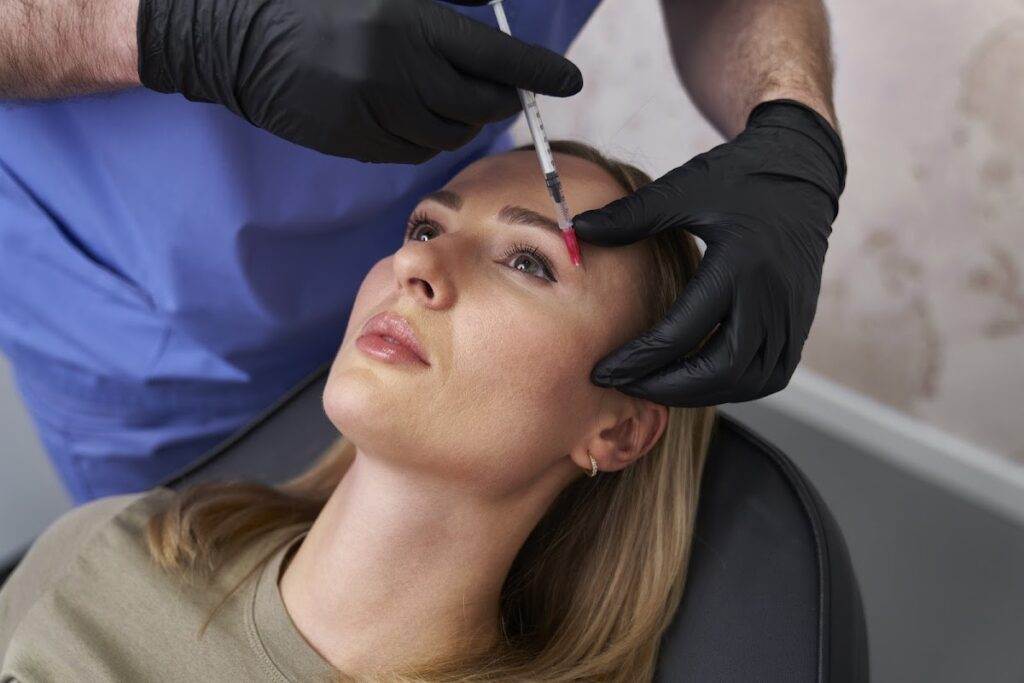 Long-Term Considerations For Botox Treatment


About Post Author