

0
What You Need To Know About Female Pattern Baldness
Female Pattern Baldness, medically referred to as androgenetic alopecia, is the most common type of hair loss in women, affecting up to 38% of women over 70 years old, according to research published in The Journal of Clinical and Aesthetic Dermatology (2017). While it can occur at any age, its prevalence increases with hormonal changes and aging. Understanding its underlying causes, identifying symptoms early, and exploring treatment options can empower women to take proactive steps in managing the condition.This type of hair loss is not merely a cosmetic concern; it often has a significant emotional and psychological impact. Studies, such as one published in The British Journal of Dermatology (2018), reveal that women with androgenetic alopecia often experience reduced self-esteem, increased social anxiety, and even symptoms of depression. These findings highlight the importance of addressing this condition's medical and emotional aspects.Female Pattern Baldness, also known as androgenetic alopecia, is a common condition that affects women's hair density and growth over time. Understanding its causes, symptoms, and treatment options can help manage the condition effectively.
Understanding the early signs and underlying reasons for hair loss can help you take action sooner rather than later. Most female pattern baldness develops gradually, so it is essential to be well aware of the signs and possible causes for its effective management. Symptoms include:
Taking proactive steps to protect your hair makes a difference in preventing unnecessary hair loss. While hereditary factors might be beyond your control, the right approach makes many other elements manageable. Prevention isn't just about stopping hair loss; it's also about maintaining the overall health of your scalp and hair. Let's learn how to reduce risk and keep your hair looking its best.
 Symptoms Of Female Pattern Baldness
Understanding the early signs and underlying reasons for hair loss can help you take action sooner rather than later. Most female pattern baldness develops gradually, so it is essential to be well aware of the signs and possible causes for its effective management. Symptoms include: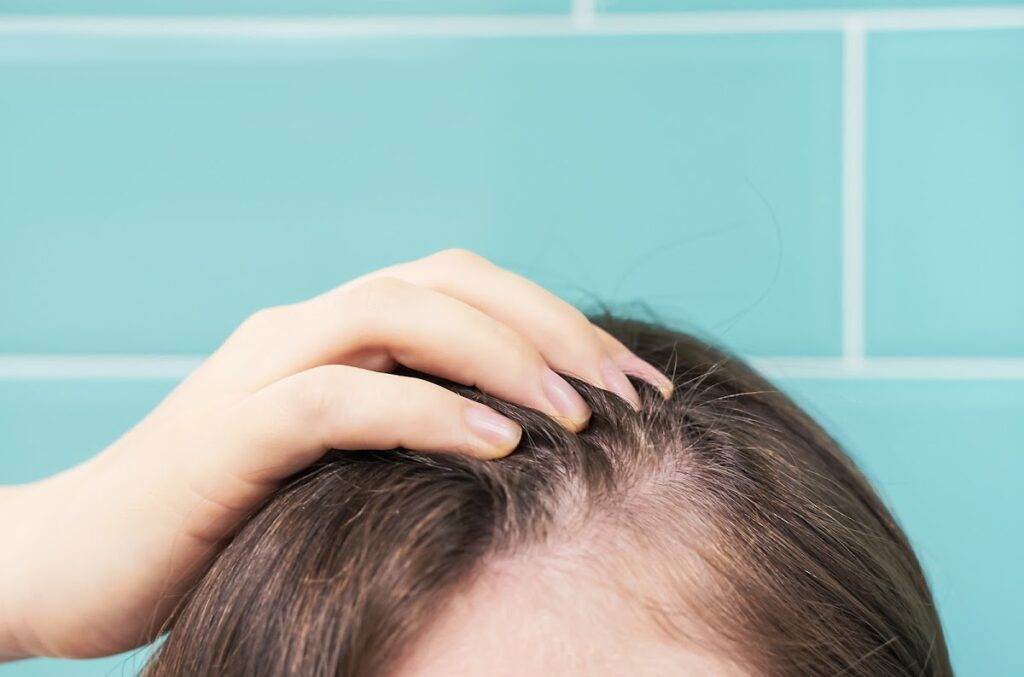 Symptoms Of Female Pattern Baldness
1. Thinning Hair Across The Scalp
Thinning hair usually begins at the crown or the top of your scalp, where you may notice your hair is not as thick as it used to be. Over time, the thinning becomes more pronounced and widespread, the first sign of female pattern baldness.2. Widening Of The Center Hair Part
One of the defining symptoms of female hair loss is a broadening center part. If one's part appears more expansive than it used to be, this could be related to hair loss in that area, mainly if that part is thin on either side.3. Thinner And Finer Hair Over Time
Thinning and fine hair develops so gradually that one hardly notices it initially. With weakened hair shafts, strands can easily break, adding to the effect of thinning.4. Increased Hair Shedding
Finding more hair in your brush, shower, or pillowcase? Increased hair shedding is a common symptom that signals your hair follicles may not produce strong, resilient strands.5. Hair Loss On Either Side Of The Scalp
Hair loss isn't always even. Some women first notice it as missing hair or patchiness on either side of the scalp, which may create an uneven hairline.While these symptoms can be gradual, they’re often noticeable enough to cause concern. If you’ve started to notice hair loss, it’s time to evaluate potential causes and learn treatment options.6. Psychosocial Implications
The emotional toll of Female Pattern Baldness has been extensively documented. According to a 2018 survey conducted by the American Academy of Dermatology, nearly 40% of women with hair loss reported a negative impact on their mental health, citing feelings of embarrassment and reduced quality of life. Experts emphasize that addressing the psychological effects is just as important as treating the physical symptoms.Causes Of Female Pattern Baldness
There are many causes of female pattern baldness, and understanding them alone can give you reasons for thinning hair and the things you can do something about. These causes include a variety from genetic predisposition to environmental ones and can sometimes overlap; hence, it is necessary to identify what applies to your case. Let's look into the main factors contributing to female pattern hair loss.1. Hereditary Hair Loss
You could be genetically predisposed to female-pattern hair loss if it runs in your family's history. This genetic hair loss, inherited from your parents, gradually reduces the size of your hair follicles over time, leading to shorter and finer hair.2. Hormone Levels
Changes in hormone levels can also cause hair loss. Events like menopause, pregnancy, or starting/stopping birth control can trigger hair thinning. Specifically, a drop in estrogen or increased androgens can impact hair growth.3. Stress And Lifestyle
High stress levels, poor nutrition, and lack of sleep are significant causes of hair loss in women. Stress can cause excessive hair shedding, while nutritional deficiencies like low iron or vitamin D can prevent new hair from growing.4. Medical Conditions
The primary medical disorders that can cause female pattern hair loss include thyroid disorders, PCOS, and various autoimmune diseases. If other symptoms accompany hair loss, consultation with a doctor may help eliminate any possible underlying causes of this problem.5. Hair Treatments And Products
Overuse of harsh hair products, excessive use of heat tools, and tight hairstyles are the causes of the weakness in the hair shaft, which results in the breaking or falling of hair. Always use gentle shampoos and avoid excessive styling to maintain healthy hair and scalp.How To Treat Female Pattern Baldness
The good news is that, though female-pattern hair loss is permanent, many treatment options exist to deal with and manage hair loss. Let's look at some of the most effective strategies.1. Medications
Medications can assist in the treatment of female pattern hair loss. Miami Center for Dermatology conducts thorough evaluations to determine the underlying causes of hair loss, such as hormonal imbalances, nutritional deficiencies, or genetic factors. Based on the diagnosis, they develop personalized treatment plans that may include lifestyle recommendations, nutritional guidance, and medical treatments to address specific needs.2. NeoGraft Hair Transplant
NeoGraft is a minimally invasive hair transplant procedure that uses advanced technology to extract and implant hair follicles, promoting natural hair growth without the need for stitches or a lengthy recovery period3. Lifestyle Changes
Small changes in your life go a long way in preventing further loss and improving the overall health of your hair. Eat a nutrient-rich diet with iron, biotin, and omega-3 fatty acids. Reduce stress through meditation, yoga, or other relaxation techniques. Avoid harsh hair treatments and use gentle, sulfate-free shampoos.4. HydraFacial Keravive
This treatment focuses on improving scalp health to support healthier hair growth. It involves cleansing, exfoliating, and hydrating the scalp, creating an optimal environment for hair follicles.5. Medical Evaluation and Personalized Treatment Plans
The center conducts thorough evaluations to determine the underlying causes of hair loss, such as hormonal imbalances, nutritional deficiencies, or genetic factors. Based on the diagnosis, they develop personalized treatment plans that may include lifestyle recommendations, nutritional guidance, and medical treatments to address specific needs. Prevention Tips — How to Stop Hair Loss Before It Starts
Taking proactive steps to protect your hair makes a difference in preventing unnecessary hair loss. While hereditary factors might be beyond your control, the right approach makes many other elements manageable. Prevention isn't just about stopping hair loss; it's also about maintaining the overall health of your scalp and hair. Let's learn how to reduce risk and keep your hair looking its best.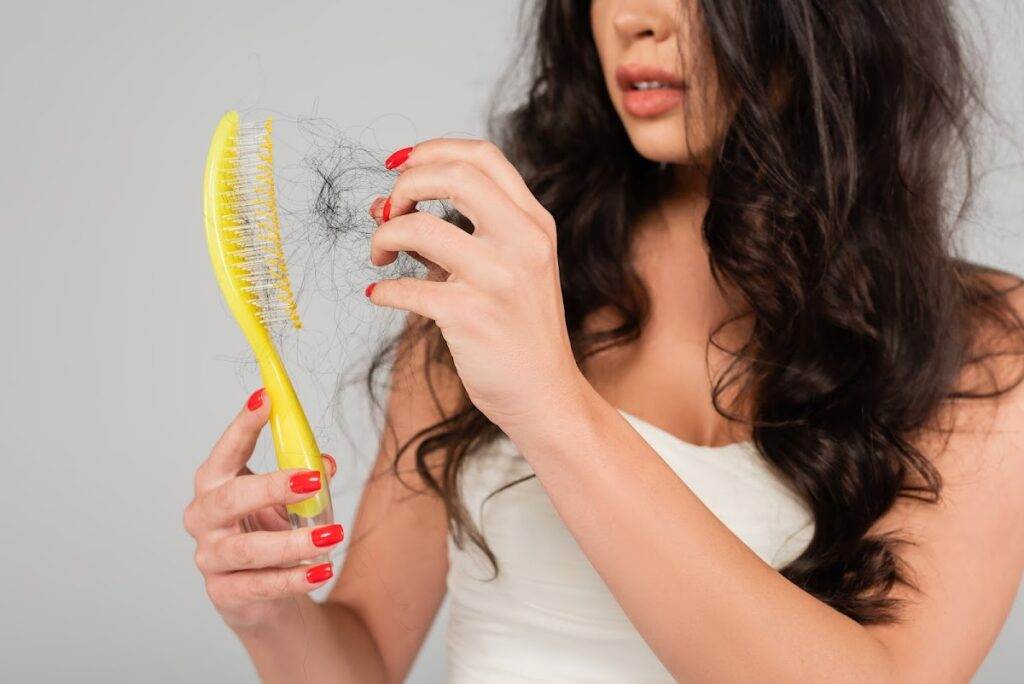 Prevention Tips — How to Stop Hair Loss Before It Starts
1. Avoid Tight Hairstyles
Tight hairstyles such as ponytails and braids pull too hard on your hair shaft, contributing to breakage and loss over time. Go for looser hairstyles to give your hair respite from the tension constantly pulling at it to damage it.2. Go Easy on Heat Styling Tools
Too much heat styling can weaken the hair shaft and cause it to break and fall out. Always use protection when styling, and try not to style with heat-based appliances too often to maintain your hair's health.3. Keep Your Scalp Healthy
A clean and well-moisturized scalp helps in the growth of good hair. Wash your hair regularly with mild, sulfate-free shampoos, and consider treatments or oils for the scalp that will help nourish and hydrate the skin on your head.4. Monitor Hormone Levels
Hormonal changes also can be a significant factor in hair loss. Set up regular check-ups for tracking hormone levels, particularly when one is undergoing a life change such as pregnancy or menopause, and consult a doctor in case of suspicion.5. Treatment of Predisposing Medical Conditions
Thyroid disorders, PCOS, and autoimmune disorders can also lead to hair loss. Treatment of the underlying condition will help prevent further loss and lead to healthier hair growth.This will also avoid further damage to hair and scalp, reducing the amount of visible hair loss and maintaining hair growth in the long term.Why Early Hair Loss Treatment Matters
If you believe you are experiencing female pattern hair loss, do not wait until later to seek help. Early intervention is essential in preventing further hair loss and maximizing your chances of regrowing thicker and healthier hair. The earlier you act, the more options you will have to deal with the problem effectively.With conditions like female pattern baldness, the hair follicles shrink and produce thinner and weaker hairs. These can eventually stop producing hair altogether. The sooner the treatment is started, the more active hair follicles one can preserve, thus giving a better chance of regrowing hair and slowing down the progression of thinning.It's everything, from medication like minoxidil to professional treatments involving low-level laser therapy or PRP injections. Early treatment will also enable one to effectively integrate all the lifestyle changes that need to be implemented, including improved nutrition, reduced stress, and avoiding damage with gentle hair products to complement medical solutions.Moreover, early treatment of the root causes of hair loss (hormonal changes or other medical issues) may have broader implications regarding general health. Do not wait for noticeable hair loss to overpower you. Today's steps may mean the difference between a manageable and irreversible situation.Remember, the success of any treatment depends upon continuity and timing. Now, take the first step and let your hair receive the care it deserves.Let Us Help You Treat Female Pattern Baldness
Preventive measures such as regular scalp massages, protecting your hair from excessive sun exposure, and using gentle hair care products can support healthy hair. Addressing emotional well-being is equally important; consider joining support groups or seeking professional counseling if hair loss impacts your self-esteem. Consult a healthcare professional if you experience rapid or patchy hair loss or notice additional symptoms like fatigue or hormonal changes. By understanding Female Pattern Baldness and available treatments, you can make informed choices to manage the condition and maintain your confidence.At Miami Center For Dermatology, we specialize in helping women through the challenges of female-pattern hair loss. At the forefront of dermatological care, we are dedicated to providing personalized, effective solutions for women experiencing Female Pattern Baldness. Our comprehensive approach combines cutting-edge treatments, medical expertise, and compassionate care to help you restore your confidence and achieve healthier, fuller hair.Take the first step toward reclaiming your confidence. Schedule a consultation today, and let us help you develop a customized plan to address Female Pattern Baldness effectively. Together, we’ll create a solution that works for you.Visit our website or call us directly to book an appointment. We’re here to help you achieve your hair restoration goals.


About Post Author